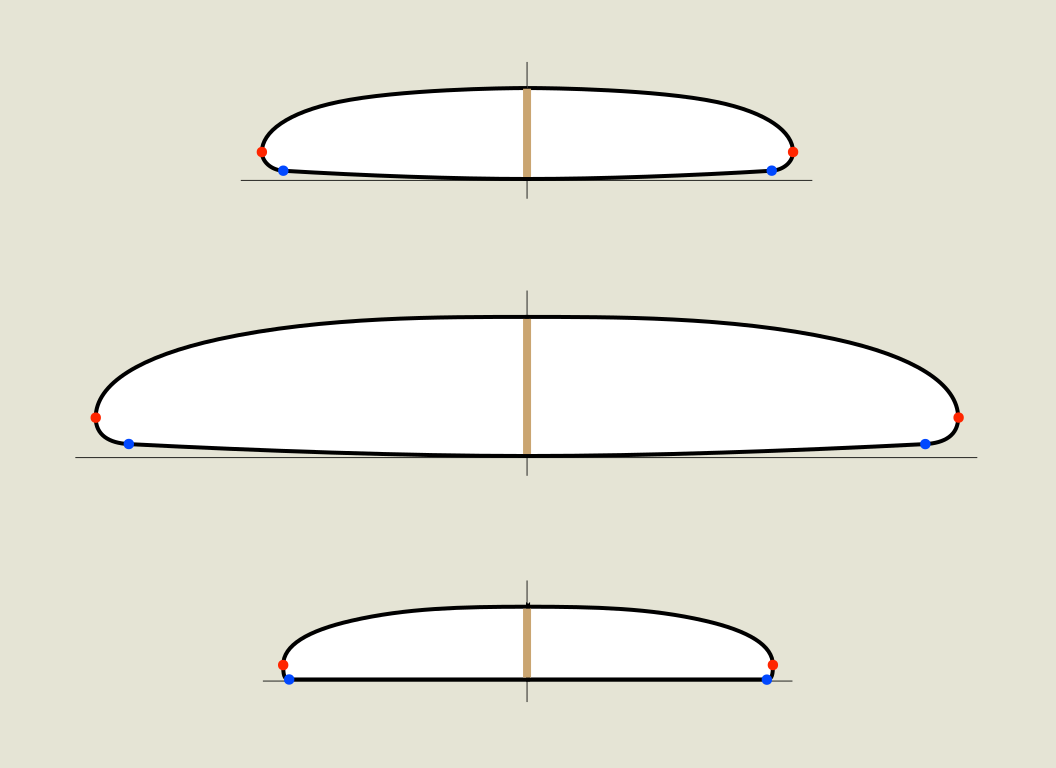
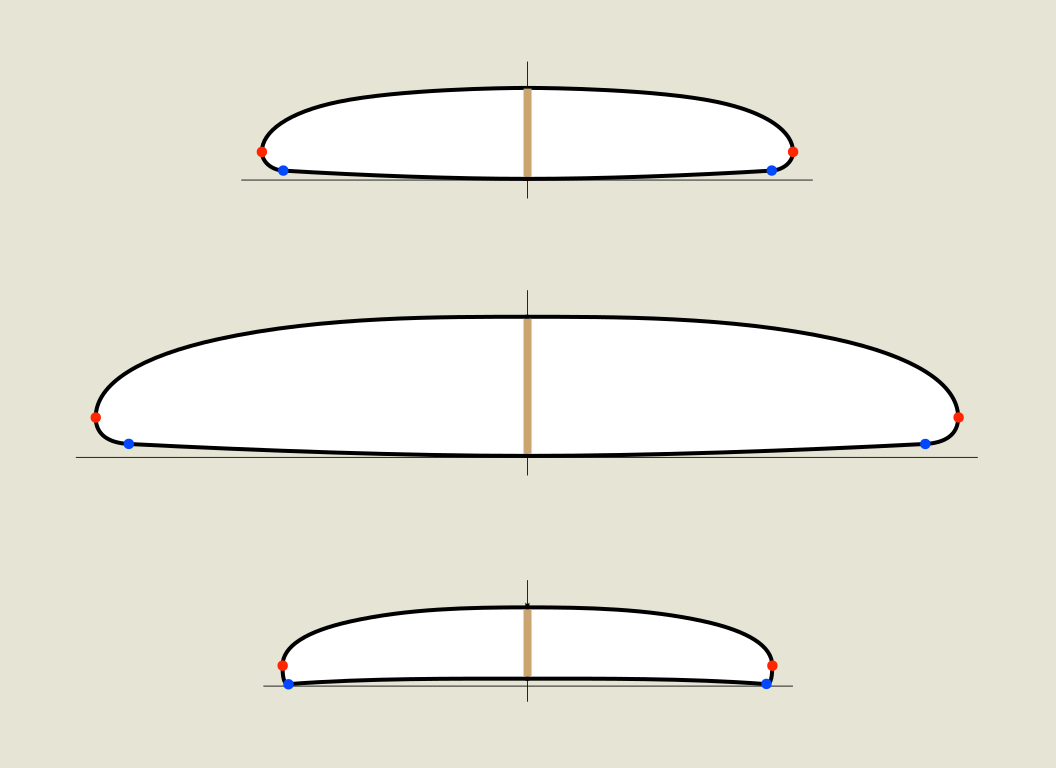
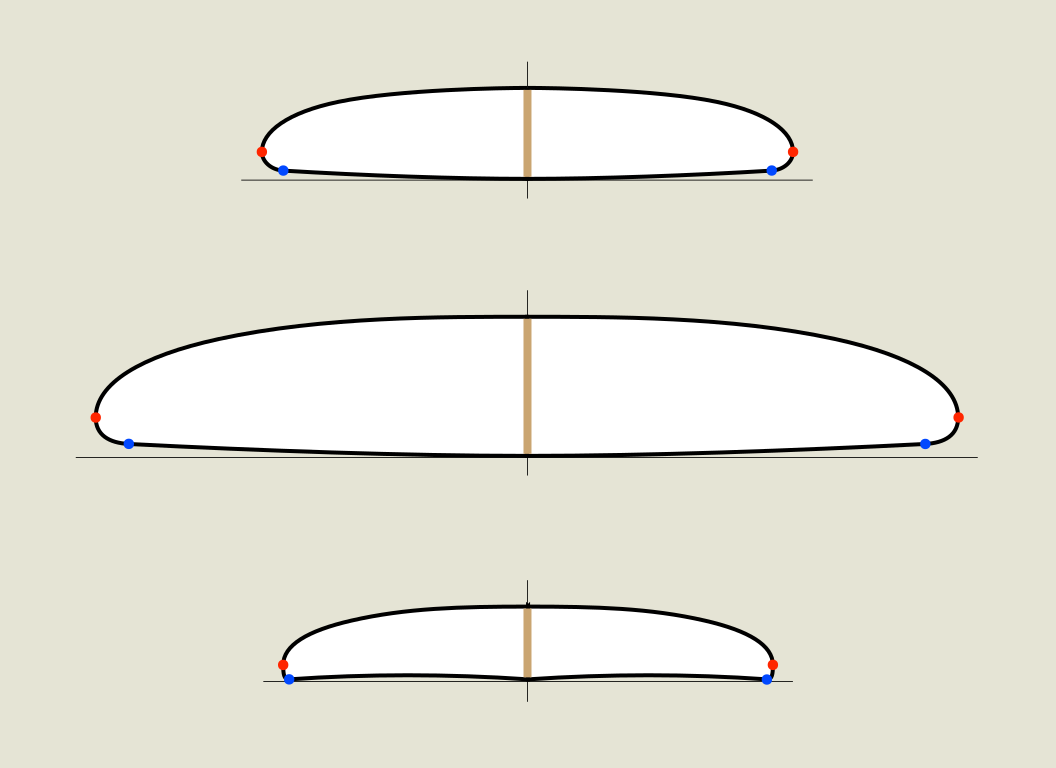
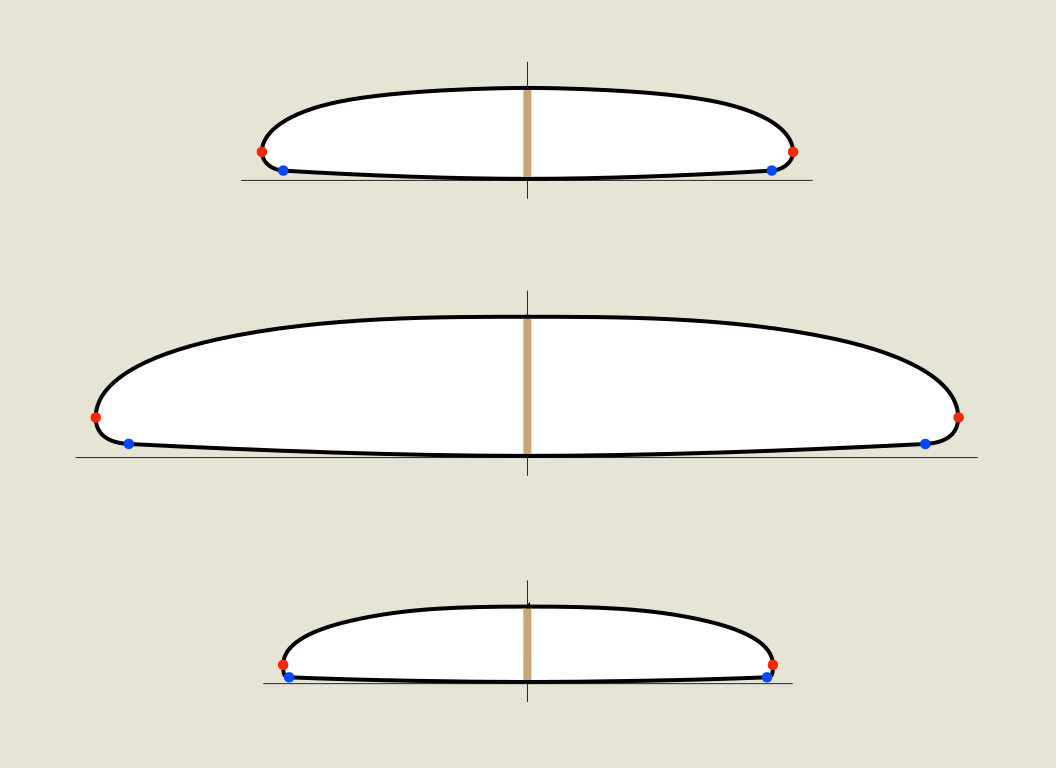
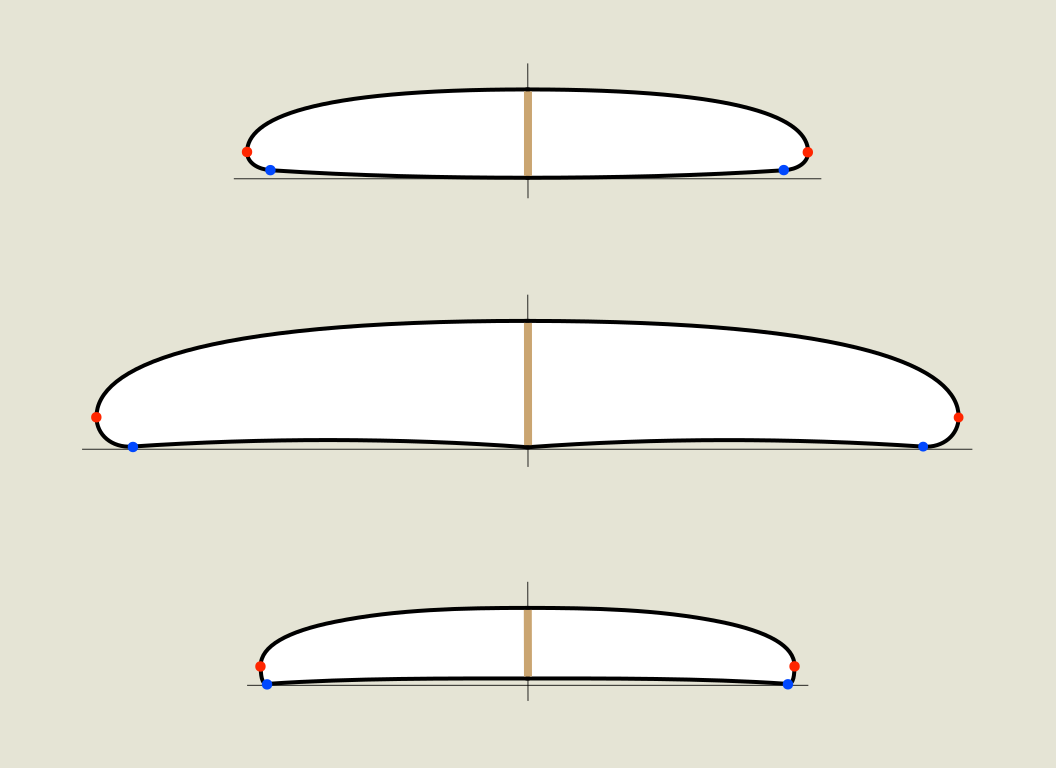
|
OVERVIEW
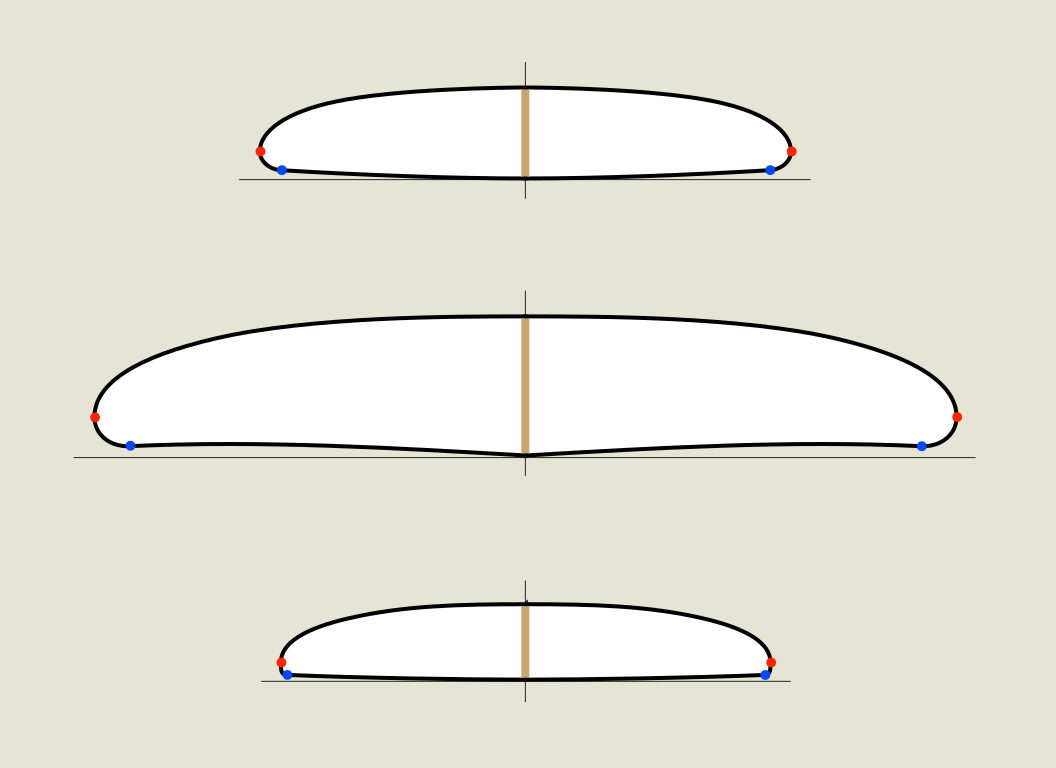
Surf history and culture found Maurice Cole and Tom Curren living
and surfing in Southwest France in the 1980s. In 1990 they
collaborated on a design that was at the core of Curren's trials to
title World Championship run in 1991 and became an iconic functional
design. Their original reverse vee design featured significant vee
from the nose to the wide point that transitioned to flat through the
fins and tail. The primary design features of their original reverse
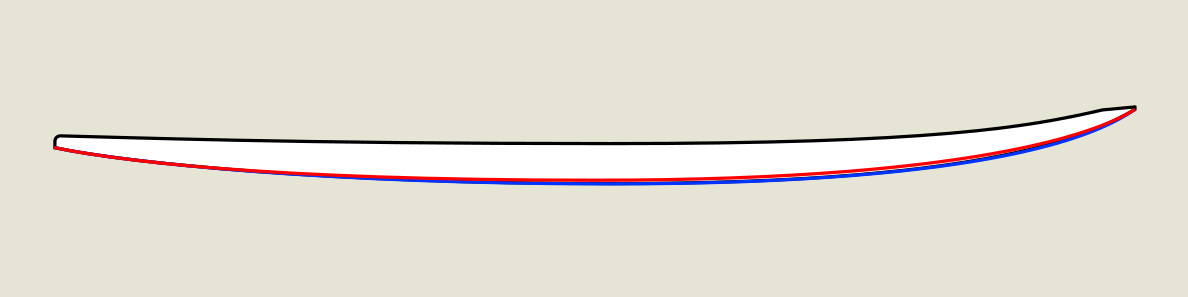
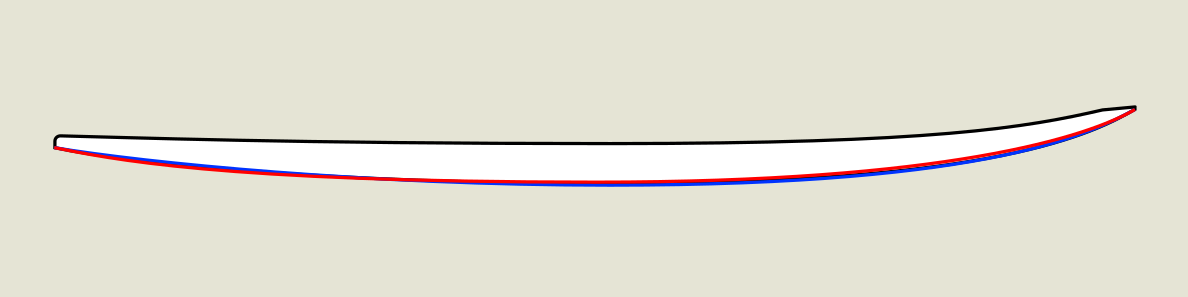
vee design were less curve in the rail along the outline from nose to
tail (rail rocker) relative to the curve along the center of the
bottom of the board (bottom rocker) and amplified laminar flow
created by the convex entry transitioning to flat in the fins and
tail channeling water under the bottom of the board. Over time
reverse vee bottom contours would evolve from the same convex entries
to include concaves from wide point to fins and tail. The concave
feature further amplified the lift created by the laminar flow under
the board. The transition from convex entry to concave tail can vary
from in front of the wide point to behind the wide point. The reduced
rail curve in the entry of the design and the amplified laminar flow
offered Curren fresh dynamic performance features - excellent
paddling entry, fluid rail to rail transitions, and exceptional
acceleration and projection.
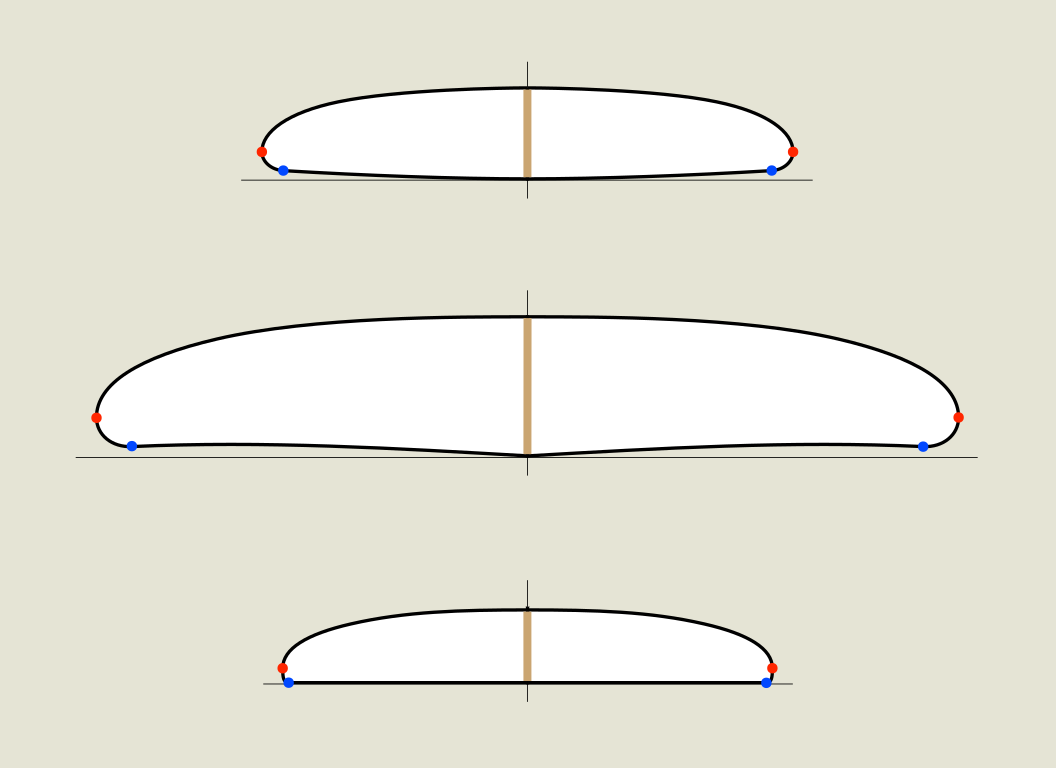
Reverse vee designs feature vee and alternatively spiral vee or double
concave vee in the nose and entry that transitions to very shallow vee, flat,
or concave bottom contours from the wide point through the fins to the tail.
The vee, spiral vee, or double concave vee in the front half of the board is
deeper than the bottom contours in the back half of the board. Early shortboard
designs often featured these or similar bottom contours. The "mini gun" designs
of the late 60s that became prototypical shortboards throughout the 70s and 80s
often featured vee in the entry, flat or shallow concave from the wide point to
near the fins, and panel vee or alternatively spiral vee through the fins and
tail. As the down rail shortboard designs of the 70s and 80s evolved it was
common for the vee in the nose and entry to be reduced or eliminated entirely
and the vee from wide point to tail or in the area of the fin or fins increased
in depth. The multiple concave shortboards that evolved from the glass slippers
of the early 90s also rarely if ever featured vee in the nose and entry.
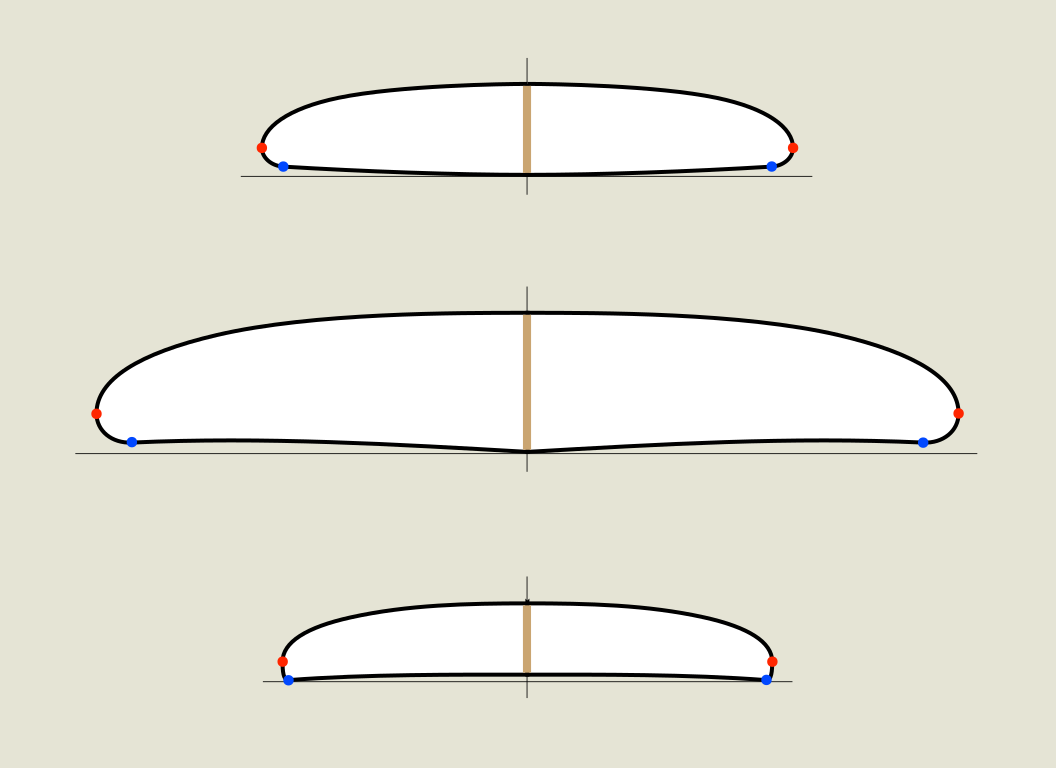
Reverse vee designs reintroduce convex entry to laminar flow in bottom
contours.
REVERSE VEE THEORY
Bottom contours coupled with rocker, profile, and rails create the laminar
flow of water along the bottom of a board. Correct laminar flow maximizes lift
and minimizes drag. In reverse vee designs the convex features of vee, spiral
vee, or double concave vee forward transitions to flat or concave contours aft.
The convex bottom forward in the design settles a board into the water and the
transition to reduced vee, flat, or concave feeds the water under a board from
the wide point to the tail maximizing lift, acceleration, and speed. Vee or
double concave from the fins to the tail coupled with nuanced rocker and rails
releases the water flowing under the bottom of the board reducing friction and
minimizing any drag.
The performance features of reverse vee bottoms come from the juxtopisiton
of the curve of bottom rocker with straighter rail rocker. This combination
creates a board that goes rail to rail with ease and provides speed and power
through turns. The vee, spiral vee, or double concave vee forward in the design
creates easy rail to rail transitions and the flat or concave bottom from wide
point to tail or between the fins provides controlled and predictable
acceleration, projection, speed, and maneuverability. Nuanced tail rocker and
rails release water off the tail of the board.
EVOLUTION of REVERSE VEE
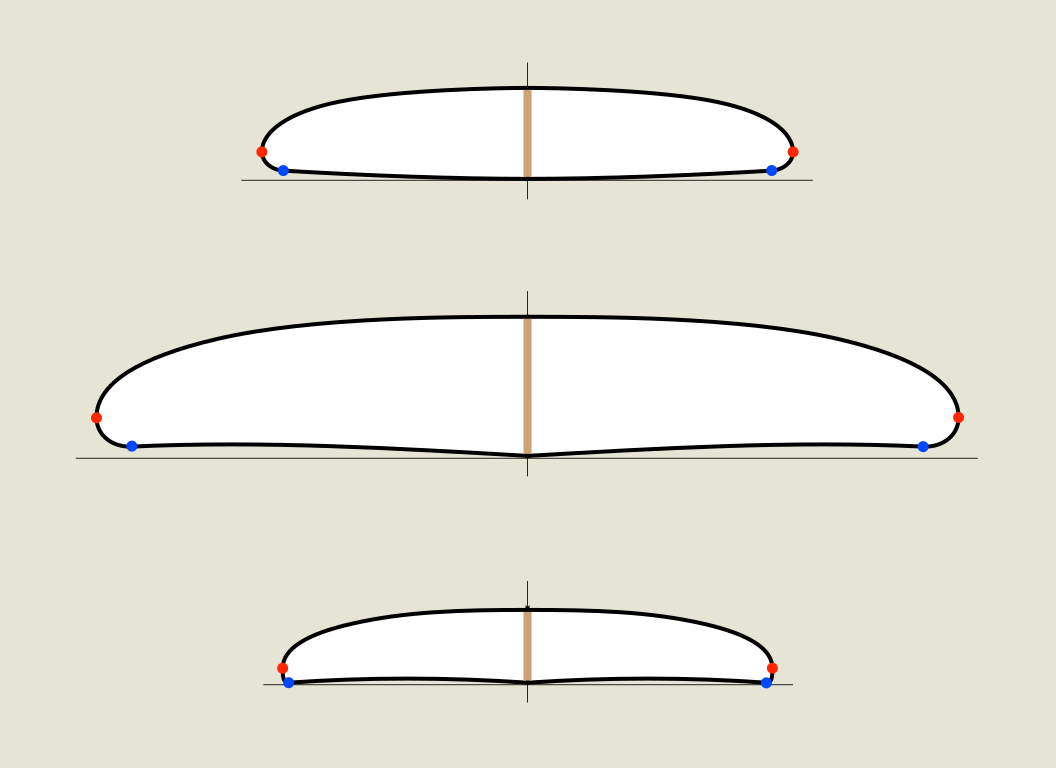
Maurice Cole and Tom Curren captured lightning and found a pot of gold with
Maurice's reverse vee designs (Maurice refers to them as EEV designs.) The
first EEVs featured a bottom with vee in the entry transitioning to flat in the
tail. The primary distinctive feature compared to the majority of surfboard
designs of that era was straighter curves in the rail in the nose and entry
blended with common curves from the wide point to the tail. This feature
remains constant in the evolution of reverse vee designs. The depth and length
of the vee forward in the designs, the transition to flat or concave from the
wide point to tail, and integrating vee, single, or double concave in and
through the fins to the tail are variables that have evolved reverse vee
designs. Tuning these variables to different surfboard classes and designs, to
surfers, and to conditions inevitably creates an excellent surfboard.
There's something very interesting, unique, and pivotal about the function
and performance of reverse vee bottom contours. The convex entry settles a
board in the water whether paddling, taking off, or riding a wave. The
transition from convex to flat or vee to concave provides lift that creates and
generates acceleration, projection, and speed when a board is turned on rail.
The short vee or double concave in the fins and tail provide release. The
bottom rocker and rail rocker from the wide point to the fins and tail create
the natural turning arcs and radius of turns.
|