

|
|
|
| Home | | | Surfboards | | | Design | | | Surfing & Media | | | Surfcast | | | About NC | | | Custom Orders | | | Contact |
| |
|
| |
COMPUTER SHAPING TOOLS |
| |
|
| |
Using computer technology to shape surfboards is yet another step
in the evolution of surfboard design and shaping. What does CNC
shaping bring to the design and shaping process? The goal of
surfboard design software such as
Aku Shaper
and
Shape3D
and the CNC machines is to develop tools for shapers that will
allow them to perform a variety of important tasks. These tasks
include creating new custom designs, accurately and consistently
reproducing magic designs, modifying existing designs based on
intuitive ideas about surfboard design or deductive ideas based on
the performance of a design, and adjust existing designs to
accommodate variations in any surfer's physical size, technique, and
skills.
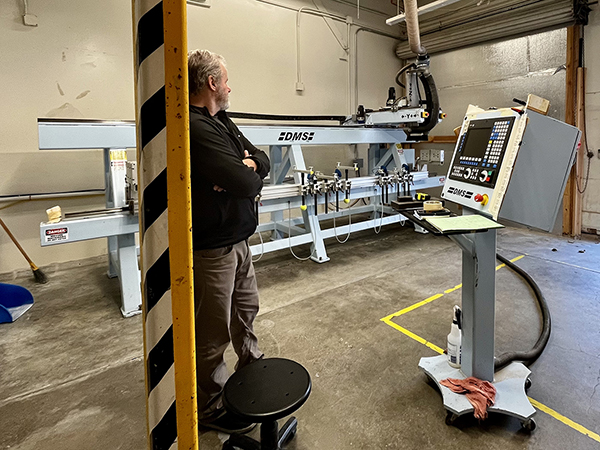
The surfer shaper relationship is one of the fundamentals of the evolution of surfboard design. The ability to reproduce the same design or to hold important variables constant and adjust other variables in an effort to improve designs tested by surfers, shapers, and designers offers notable progression in design. With computers and software we can digitize and inventory all our shapes in a database. We can produce our magic shapes repeatedly without deviation in design from the original master shape. We can adjust any of variables in a design while holding other variables constant. We can adjust designs to accommodate any surfer and the conditions they surf. Every time we design a magic surfboard it can be added to the database. The computer and machine accurately and consistently produce a specific design without variation. Surfboard designs can be created in any location and the digital design files can be sent directly to cutting or milling centers by email. The cutting center machines or mills blanks and delivers them to shapers to fine tune and finish the shapes. We design our boards with Aku Shaper Design Software. The Aku design software offers great features well suited to design custom surfboards. The Aku design software has a mode in it's interface for each design variable. It facilitates the development of a database of individual designs, as well as a collection of outlines, profiles, and slices that can be saved in a library. We can create new designs using the active tool, (the Pen Tool or Bezier Tool,) to draw outlines, bottom and deck rockers and profiles, rails, and bottom contours. We can modify existing custom designs to create new designs by editing the curves in any of the designs modes. Additionally, we can export outlines, profiles, and slices from existing designs into a library in our database and import them into new designs. Aku design software provides valuable data regarding volume, center of mass, fin placement, and an information panel where one can include observations about surfer, board performance, and the continuing evolution of a design. The software preferences can be set to a variety of units of measure - feet, centimeters, millimeters, or a combination of those units of measurement. It has a "ghost board" feature to view, while designing and editing a board, an existing board file which is another board layered in the interface, and an "image board" feature which are jpeg images of a surfboard's profile or outline imported from the database and layered in the interface. The software is streamlined, versatile, user friendly, and easy to master. Aku design software is a Java Webstart Application. It will run on any operating system: Mac, Windows, Unix, Open Source, or your own operating system if you have the skill to author one. We've been using the Aku Shaper design software since 2005. We have produced thousands of functional, relevant, and magic surfboards in the brief time we've been using the design software and CNC milling machines. The software and CNC milling machines allow us to offer greater design precision and evolution and service than ever for our surfer clients. CNC design and milling is an integral part of surfboard design and production. Shape3d Design Software uses the same active tools and format as Aku Shaper design software. It has a few additional design tools not available in the Aku software. The most powerful of those features is entering design dimensions to create a new board file. From 2005 to 2017 our boards were milled on an APS 3000 machine running Aku machine software. From 2017 to 2025 our boards were milled on a Precision Shaper machine running Shape3d machine software. In 2025 we started milling our boards on a DMS machine also running Shape3d software. The DMS machine and the Precision Shaper machine generate a milled blank with a full rail cut. The APS 3000 machine with Aku software generates a cut with a full rail cut on the deck and a partial rail cut on the bottom of the rail. |
| |
|
| |
< top of page > |
| |
|
| |
AKU SHAPER DESIGN SOFTWARE MODES |
| |
|
| |
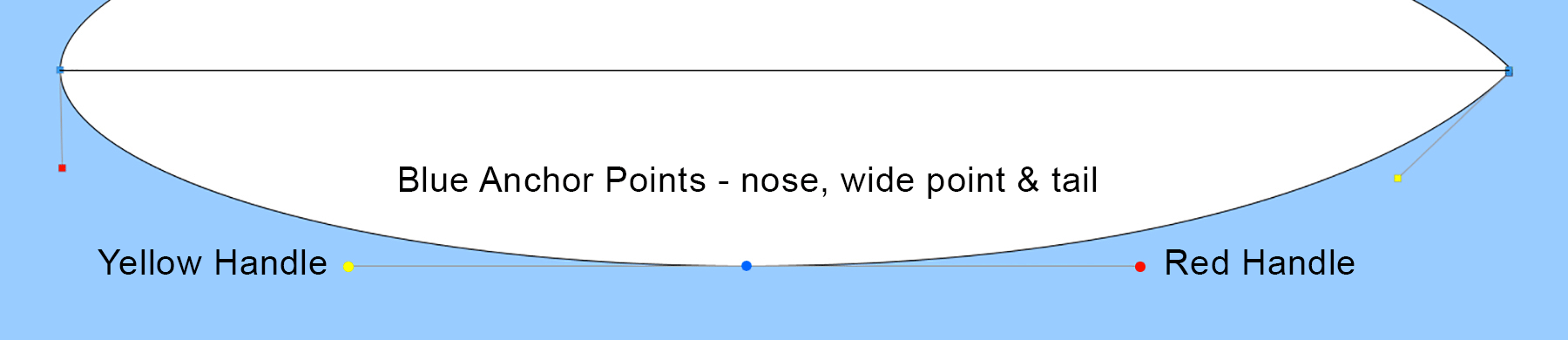
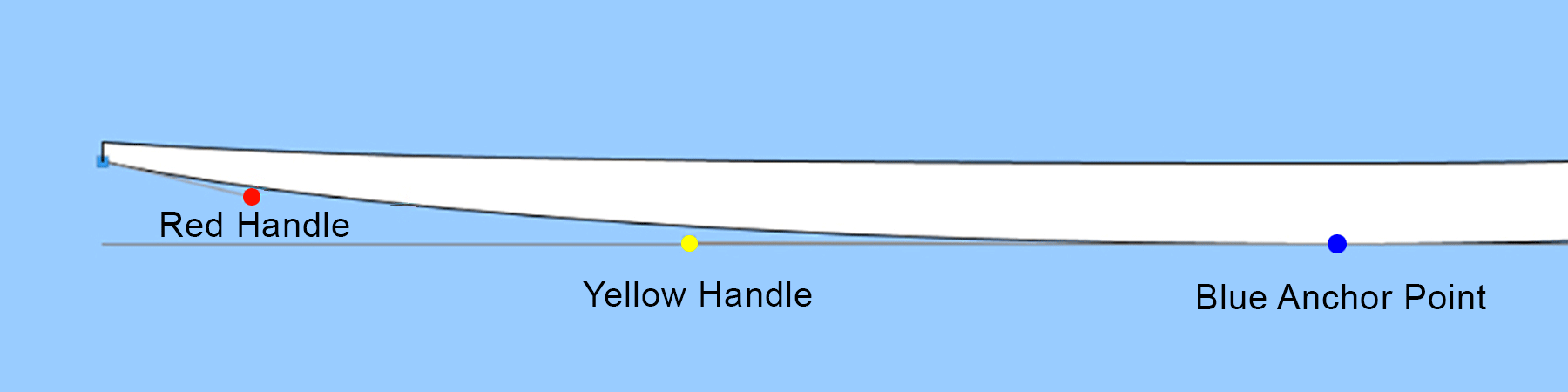
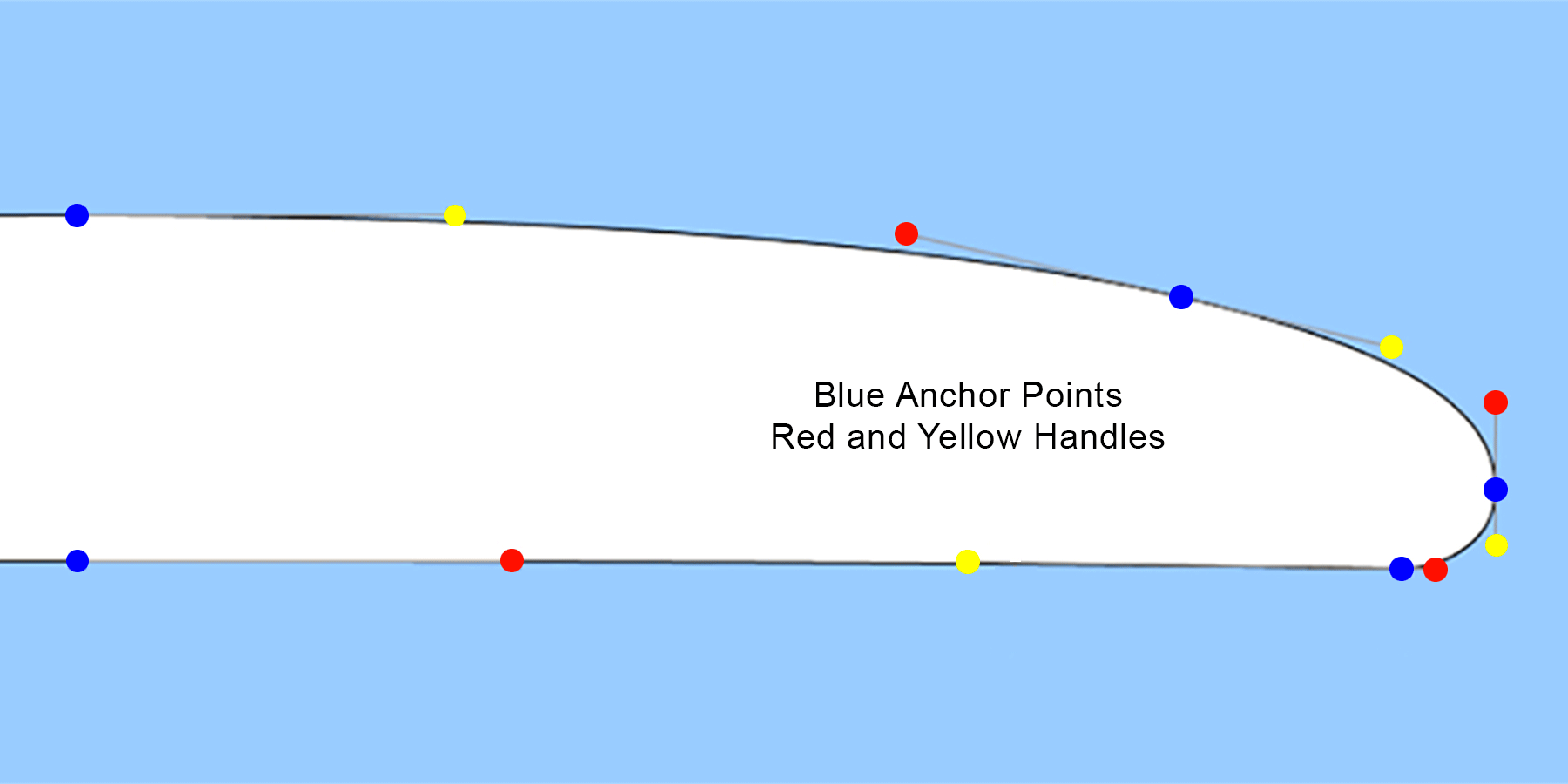
In Aku Shaper design software design features and their curves in all design modes are created and edited by moving the blue anchor point and the red and yellow handles. Placing and moving the anchor points and handles adjusts the curves to the designers and shapers specifications. The cleanest curves have the fewest anchor points. |
| |
|
| |
OUTLINE MODE |
| |
|
| |
 |
| |
|
| |
ZOOM VIEW OUTLINE |
| |
|
| |
 |
| |
|
| |
In Outline Mode there will be one anchor point at the wide point and one in the nose. Round Pin Tails and Pin Tails will have one anchor point in the tail. Squash Tails, Thumb Tail, and Swallow Tails will have two anchor points in the tail to create the curves in the tail. |
| |
|
| |
BOTTOM MODE | ROCKER & PROFILE |
| |
|
| |
 |
| |
|
| |
ZOOM VIEW PROFILE - BOTTOM ROCKER & DECK ROCKER |
| |
|
| |
 |
| |
|
| |
Bottom rocker is created in the Bottom Mode. Deck rocker is created in the Top Mode. The juxtuposition of the bottom rocker and the deck rocker creates the profile or foil of a design. In both modes the cleanest curves will have single anchor points at the low point of the bottom rocker and deck rocker and a single anchor point at the nose and another single anchor point at the tail. Placing and moving the anchor points and handles adjusts the curves to surfer's, designer's, and shaper's specifications. Bottom and deck rockers that mimic each other create efficient profiles and foils offering maximum performance. The cleanest curves and best performing rockers, profiles, and foils will feature the anchor point of the bottom and deck rocker at the same point on the length axis of a shape. |
| |
|
| |
SLICE MODE | RAILS & BOTTOM CONTOURS |
| |
|
| |
 |
| |
|
| |
ZOOM VIEW RAILS & BOTTOM CONTOURS |
| |
|
| |
 |
| |
|
| |
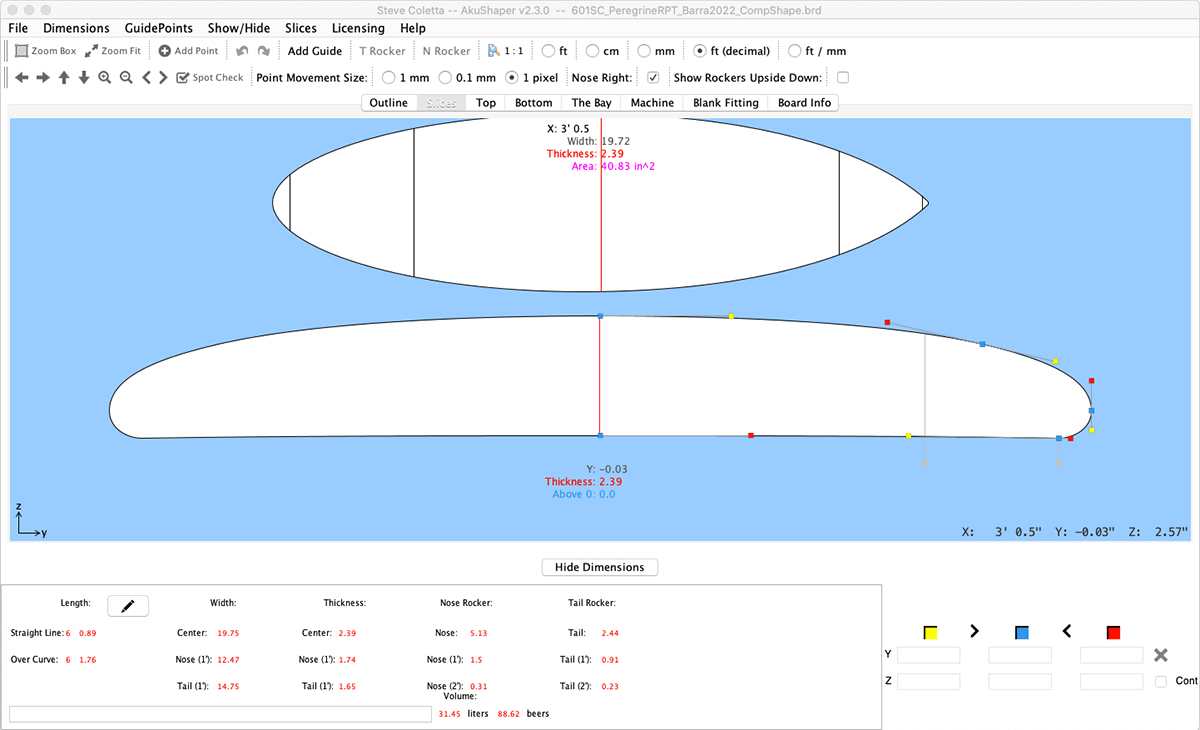
Rail profiles and Bottom contours are created in the Slice Mode. Slices are created and edited with anchor points placed at the stringer on the deck, on the curve from stringer to rail, at the apex of the rail, at the tuck of the rail, and at the stringer on the bottom. Placing and moving the anchor points and handles adjusts the curves and volume in the rail profile. The deck curves from stringer to rail, the apex of the rail, the tuck of the rail, and the bottom contours from tuck to stringer on the bottom are designed to the surfer's and shaper's specifications. |
| |
|
| |
BAY MODE SOLID VIEW |
| |
|
| |
 |
| |
|
| |
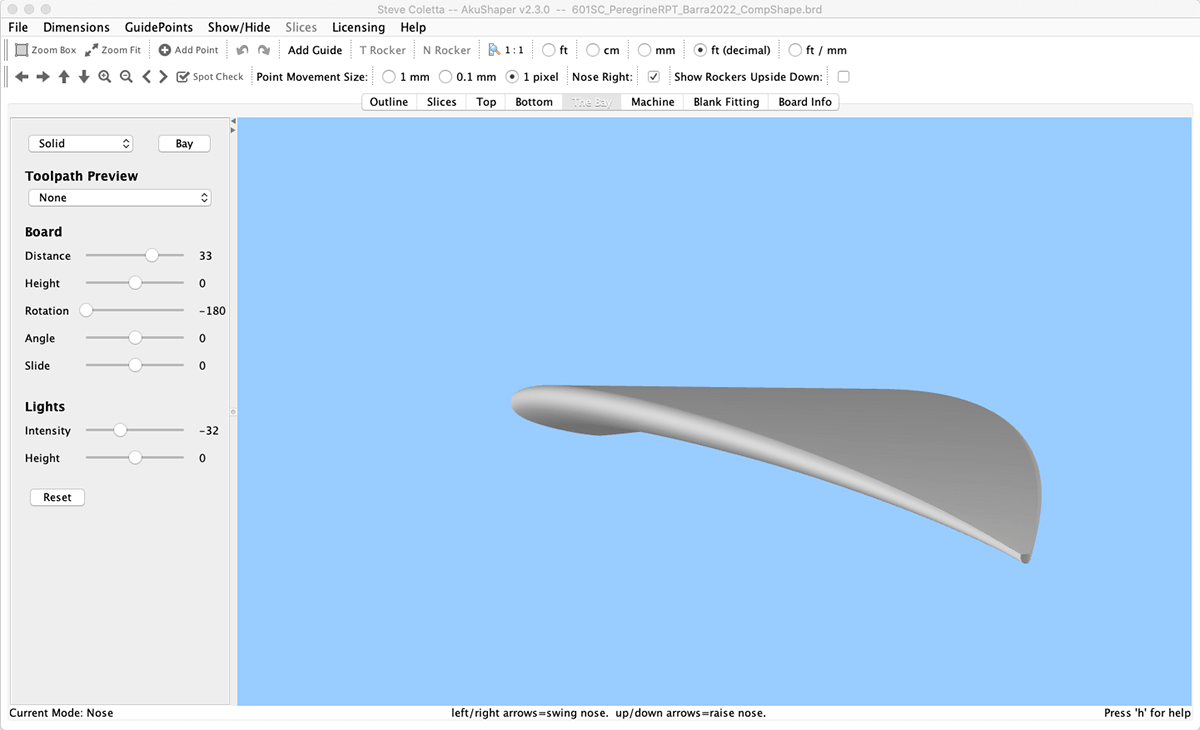
In Bay Mode Solid View the board is displayed as a surface simulating a shaped blank. |
| |
|
| |
BAY MODE WIREFRAME VIEW |
| |
|
| |
 |
| |
|
| |
In Bay Mode Wireframe View the board is displayed as a wireframe. This view clearly illustrates the nuances of the shape's design features and curves. |
| |
|
| |
BAY MODE CURVES VIEW |
| |
|
| |
 |
| |
|
| |
In Bay Mode Curves View the board is displayed as a set of curves. These curves include the profile from bottom and deck rocker, the rail tuck from nose to tail, and section shapes displaying rail profiles and deck and bottom contours at the position of the slices. |
| |
|
| |
MACHINE MODE |
| |
|
| |
 |
| |
|
| |
In the Machine Mode the design's profile (black line) is indexed as close as possible to the deck of the selected blank (green line) to maximize the physical properties of a board's deck. The skin of polyurethane foam blanks is denser than the core. This is the skin to core density ratio. Maximum physical properties are achieved when the deck of a finished shape is close to the top of a blank. Historically, this is referred to as close tolerance shaping or finishing the deck of the shape as close to the top of the blank as possible. |
| |
|
| |
< top of page > |
| |
|
| |
DMS SHAPING MACHINE |
| |
|
| |
 |
| |
|
| |
MILLED COMPUTER SHAPES |
| |
DMS MILLED SHAPES |
| |
Images coming soon * |
| |
|
| |
PRECISION SHAPER MACHINE |
| |
|
| |
 |
| |
|
| |
APS 3000 / AKU SHAPER MACHINE |
| |
|
| |
 |
| |
|
| |
< top of page > |