|
[ Ospreys | Semi Guns ]
DESCRIPTION
The Osprey is a Semi Gun designed for paddling, acceleration,
projection, speed, control, and stability in larger heavy water waves
without sacrificing performance. Paddling mobility and effortless
fluid entry are premium performance features of the Osprey. Quick
response and maneuverability are also essential performance features
for surfing critical heavy water waves. A well tuned semi gun is an
essential part of any surfer's quiver who charges heavy water,
extreme and critical conditions. The Osprey has the same design
features found in a shortboard or step up tuned to heavy water
conditions.
DESIGN FEATURES
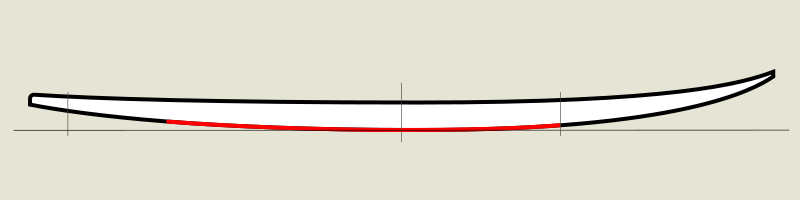
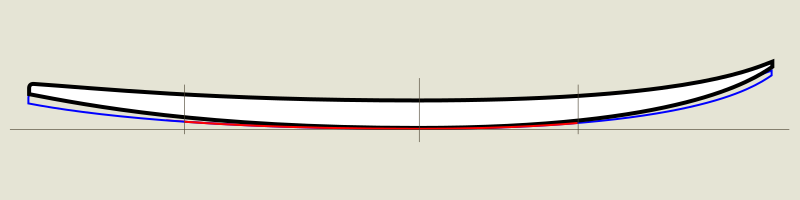
ROCKER The Osprey features Speed Box or Continuous rocker. Speed
Box is preferred for all conditions and Continuous is preferred for
barrels.
PROFILE & FOIL Well foiled with a lot of hidden volume.
OUTLINE Round pin, pin tail or swallow tail.
BOTTOM CONTOURS Vee to tri plane to rolled panel vee, vee to
single concave, vee to single to double concave, reverse vee to
double concave, or vee to double concave to single concave Concave
bottom contours feature shallow vee in entry, moderate single concave
starting between entry and wide point. Concaves reach maximum depth
near the leading edge of fin array fading through the fins to the
tail. Optional single or single to double concave from the wide point
to the tail. The single and the single to double concaves both offer
considerable lift, acceleration, and speed. Reverse vee bottom
contours offer maximum directional stability and maximum power,
projection, and acceleration.
DECK & RAILS Crowned or flat deck integrated with low and thin or
low and full rail profiles - tuned to surf conditions, surfer's size,
displacement, and technique. |
|
OSPREY BOTTOM CONTOURS
|
|
|
|
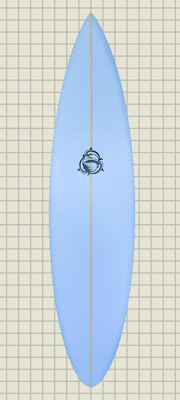
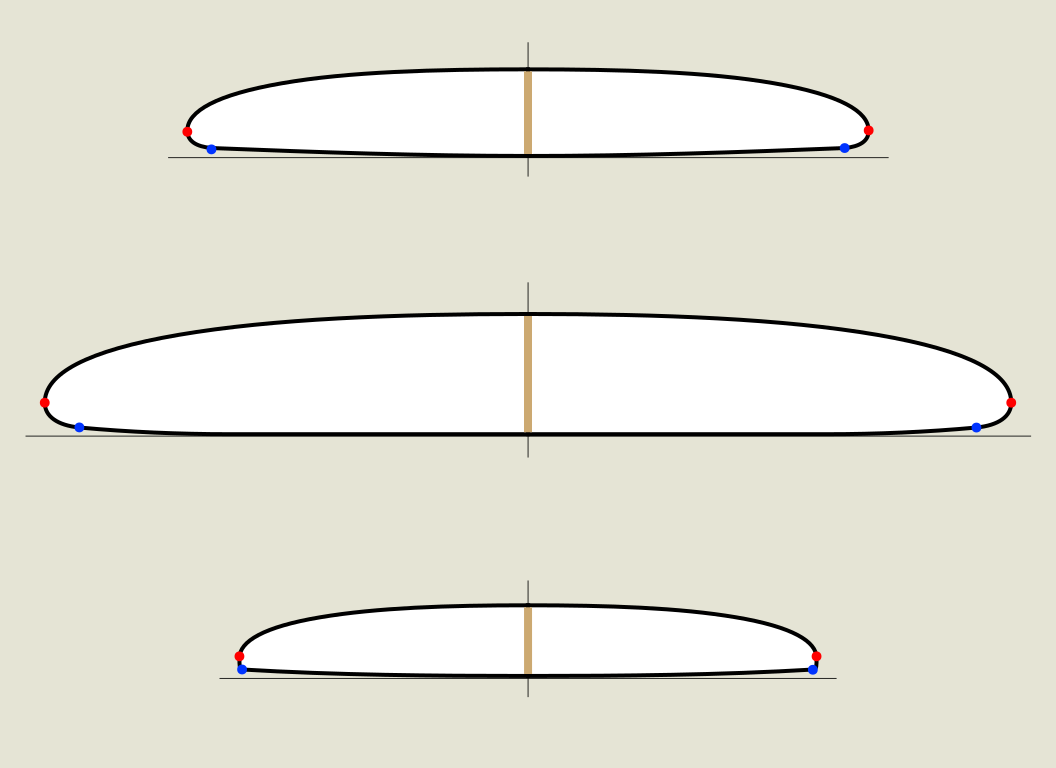
VEE to TRI PLANE to ROLLED PANEL VEE bottom with CROWNED DECK and
moderately low crowned rail. Tri plane to rolled panel vee provides
acceleration, projection, speed, maneuverability, predictability, and
control. The tri plane entry and wide point to panel vee widepoint to
tail is the optimum convex bottom. It offers excellent rail to rail
transitions and acceleration on rail as if surfing on a nearly
frictionless ball bearing. Crowned rail profile maintains control and
stability. |
|
|
|
|
|
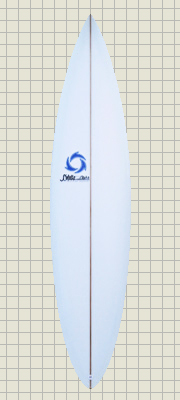
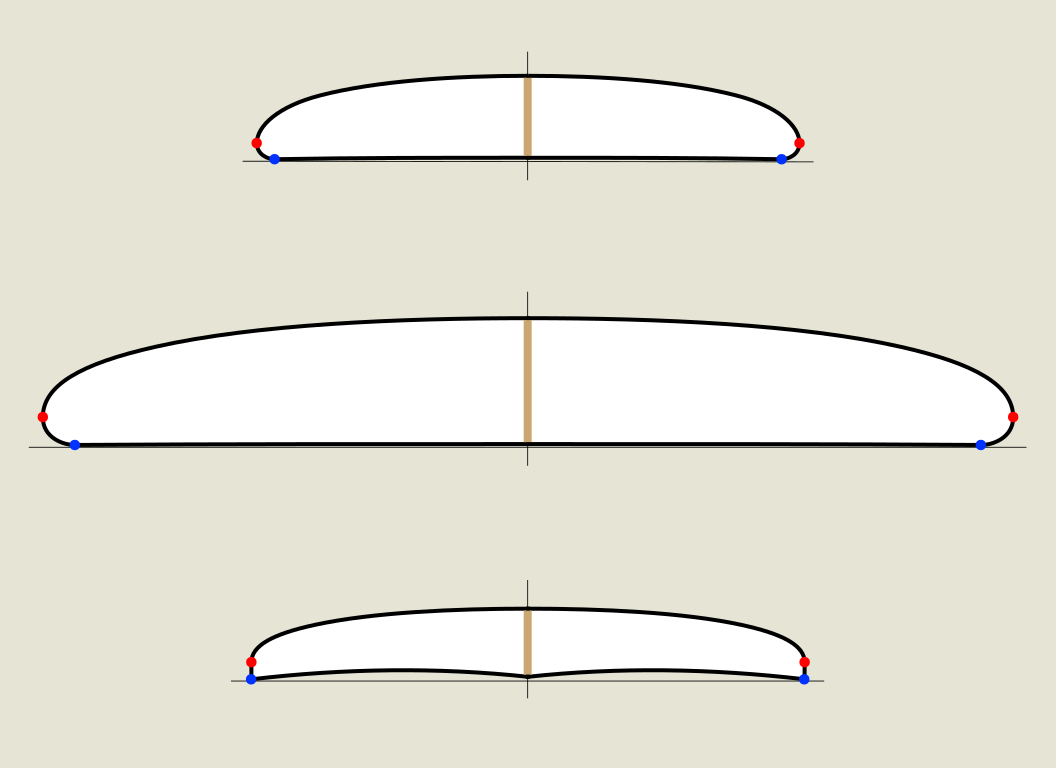
VEE to SINGLE to DOUBLE CONCAVE with CROWNED DECK and moderately
low crowned rail. Vee in entry settles the board in the water and
initiates rail to rail transitions. Single to double concaves provide
acceleration, projection, speed, and maneuverability. Water flows
from the rail the peak of the double concave at the center of the
board creating additional lift and with it's spine offers directional
stability through turns. Crowned rail profile maintains control and
stability. |
|
|
|
|
|
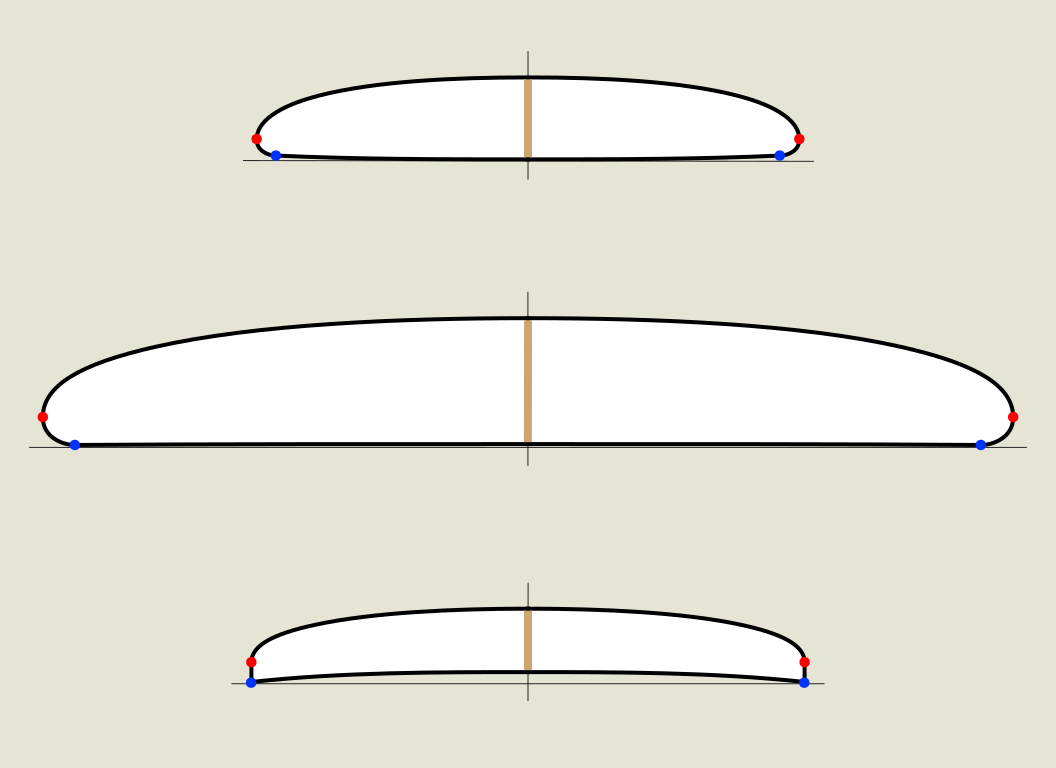
VEE to SINGLE CONCAVE with CROWNED DECK and moderately low
crowned rail. Vee in entry settles the board in the water and
initiates rail to rail transitions. Single concave provides
acceleration, projection, speed, and maneuverability. Water flows in
a smooth arc from rail to rail in single concaves enabling powerful,
stable, and predictable turns. The smooth rail to rail water flow
enables maximum controlled power through turns and nuanced turning
radii for a wide variety of turns and barrels in different waves.
Crowned rail profile maintains control and stability. |
|
|
|
|
|
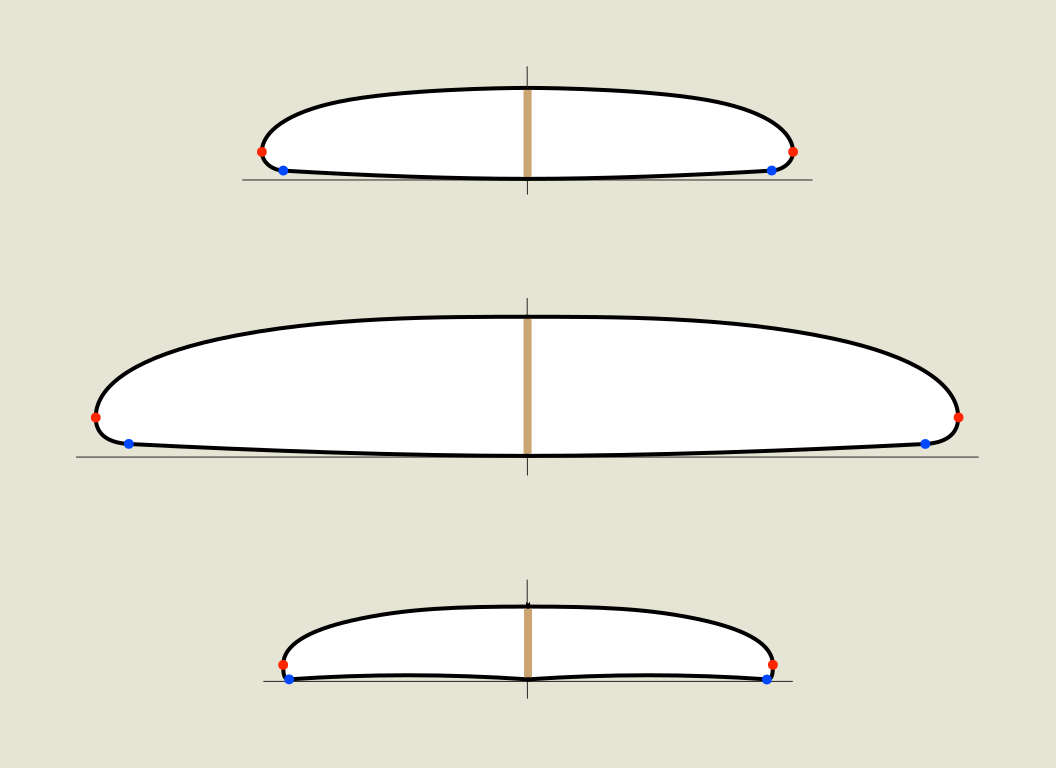
REVERSE VEE to DOUBLE CONCAVE bottom with CROWNED DECK and
moderately low crowned rail. Reverse vee double concave provides
maximum acceleration, projection, speed, and maneuverability. Reverse
vee double concaves feature a spine from nose to tail. The spine is
vee in entry and shallow double concave wide point to tail. Vee is
deepest in the nose and entry and reduced as it flows to the tail.
Water flows from the rail the peak of the double concave at the
center of the board creating additional lift and with it's spine
offers exceptional directional stability through turns. Crowned rail
profile maintains control and stability. |
|
|
|
|
|
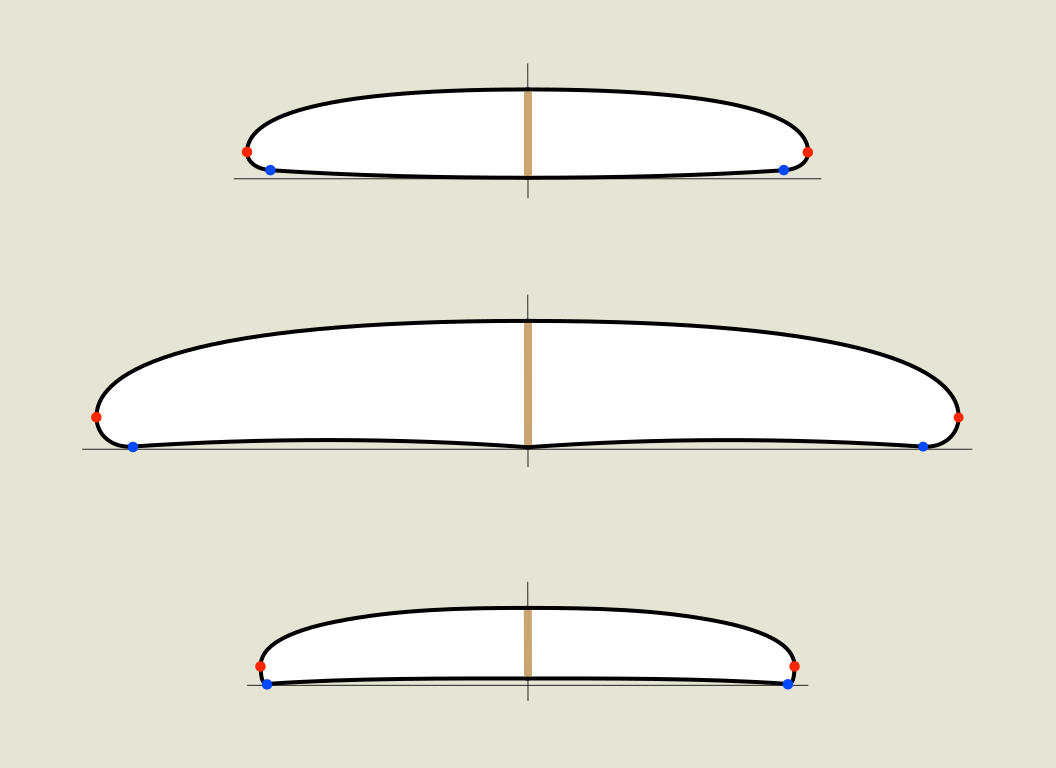
VEE to DOUBLE to SINGLE CONCAVE bottom with CROWNED DECK and
moderately crowned rails. This is an intriguing bottom that offers
great performance. The vee to double from nose to entry to wide point
offer control and lift and the double to single wide point to tail
offer power, projection, and maneuverability. Nuanced variations in
tail rocker create a variety of vertical angles of projection out of
powerful bottom turns. |
|
|
|
VEE to DOUBLE to SINGLE CONCAVE |
|
|
|
|
|
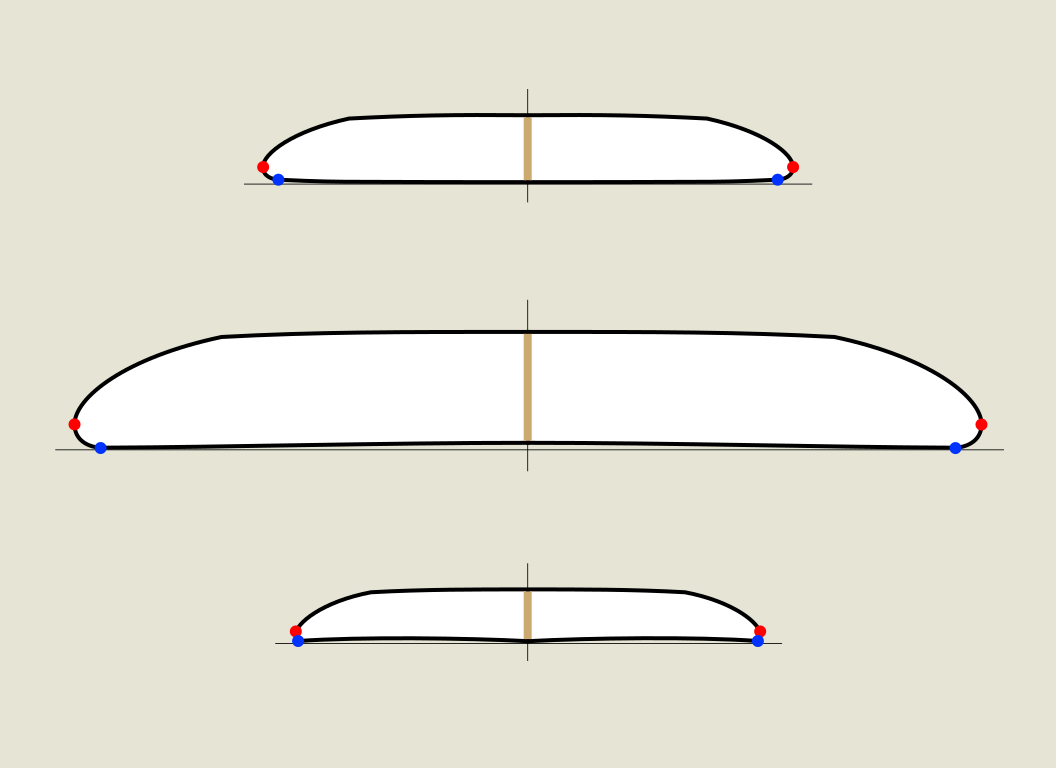
VEE to SINGLE to DOUBLE CONCAVE with FLAT DECK and moderately low
chiseled rail. Vee in entry settles the board in the water and
initiates rail to rail transitions. Single to double concave provides
acceleration, projection, speed, and maneuverability. Water flows
from the rail the peak of the double concave at the center of the
board creating additional lift and with it's spine offers directional
stability through turns. Flat deck offers volume and stability. Low
rail profile maintains control and stability.
|
|
|
|
Flat or Crowned decks and Chiseled or Crowned rails may be
integrated with any of the Osprey bottom contour options. Surf
conditions and surfer preferences determine design
combinations. |
|
|
|
LINK
Flat Deck Designs
|